Family Fall Football
A Designer’s First Look: Warm, Whimsical, and Ready for Real Stitches
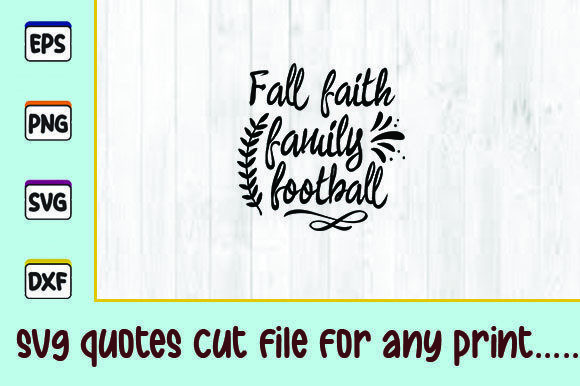
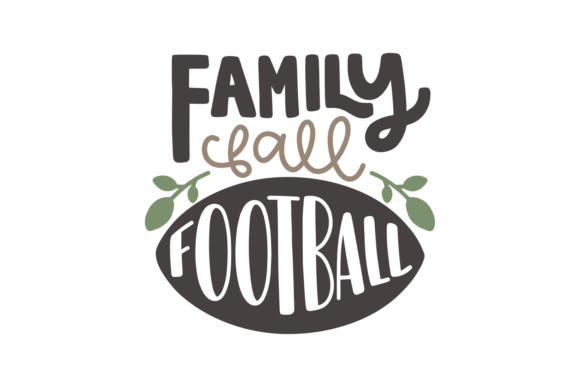
Opening Family Fall Football for the first time, I felt that familiar spark — not just “cute,” but *cohesive*. It’s got autumn’s cozy palette baked into its DNA: layered leaves, a softly rounded football with subtle grain texture, and a gentle script that reads like handwritten love notes rather than stock lettering. No forced cheer or over-the-top graphics — just balanced proportions, intentional negative space, and a visual rhythm that says “family,” “fall,” and “fun” without shouting. As a designer who ships embroidered totes, baby onesies, and boutique aprons weekly, I immediately pictured it stitched on a heather-gray sweatshirt — not as a statement piece, but as a quiet, confident detail at the chest.
Where This Design Truly Shines (and Where It Needs Thought)
Family Fall Football lands strongest in projects where warmth and authenticity matter more than flash. Think personalized kitchen towels for a new mom’s baby shower, a set of matching embroidered pillow covers for a family cabin, or small-batch tote bags for a local fall festival booth. Its moderate scale and open layout translate beautifully to sweatshirt embroidery, especially on mid-weight fleece or French terry — the design breathes, and so does the fabric underneath.
I recently tested it as a custom apparel option for a client ordering 12 toddler-sized long-sleeve tees. We used a lightweight tear-away stabilizer and 40-weight poly thread in burnt orange and cream. The result? Crisp satin stitch edges around the football, clean fill stitch in the leaf clusters, and legible, soft script — no puckering, no thread breakage. Customers responded with comments like “It looks handmade, not mass-produced” — exactly the impression we want for a handmade product.
That said, Family Fall Football isn’t built for every surface. On curved areas like caps or embroidered patch backing, the lower curve of the football and the fine stems of the leaves need extra stabilization and possibly slight digitizing tweaks — especially if you’re stitching on structured twill or stiff buckram. Likewise, avoid pushing it onto ultra-thin fabrics like rayon challis or loosely woven linen without testing: those delicate vine-like elements can distort or sink between threads. And while it holds up well on dark fabric, I’d skip dense black-on-black combos — the subtle texture of the football fades without contrast.
What It Adds to Your Craft Business — Beyond the Stitch
For Etsy sellers and small shop products, this design quietly elevates perceived value. It doesn’t scream “sale item”; it invites pause. When styled in a printable mockup with warm lighting and natural textures — say, on a folded tea towel beside a cinnamon roll — it reads as thoughtful, seasonal, and commercially polished. That builds customer trust, especially for buyers looking for meaningful personalized gifts tied to real-life moments: a dad’s first fall coaching his kid’s team, a sibling trio wearing matching hoodies, or grandparents gifting a nursery blanket.
Its versatility across categories — from baby embroidery (scaled down for onesie hems) to holiday embroidery (paired with mini pumpkins or flannel accents) — makes it a smart design assets investment. But don’t assume it’s plug-and-play for every use case. If you’re listing it as a digital download, clarify whether it’s optimized for machine embroidery design or primarily a digital embroidery file meant for cutting or print — because while the SVG vector works across Cricut Explore, Silhouette Cameo, Brother Scan N Cut, and others, embroidery machines need DST, PES, or EXP files. Always confirm what’s included before marketing it as an applique design or embroidery file.
Practical Notes Every Embroidery Designer Should Check
- Test first — Run Family Fall Football on scrap fabric that matches your final project’s weight and stretch. Pay attention to how the leaf veins hold up on textured cotton or looped terry.
- Review stitch density — Lighter fill areas (like the football’s center) should balance denser sections (script outlines). Overly heavy fills trap moisture and stiffen garments — critical for baby embroidery or tote bag design.
- Confirm hoop size — This design fits comfortably in a 4x4 hoop, but check your own digitized version. If you’re adapting it for commercial embroidery, verify clearance for multi-position hooping.
- Inspect small details — The script’s thin strokes and leaf tips are charming — but they’ll vanish on coarse denim or under heavy wash cycles unless stabilized properly.
- Check thread color contrast — Try it in both high-contrast (cream on navy) and tonal (taupe on oatmeal) pairings. What reads clearly on screen may blur in stitch.
- Use proper stabilizer — Medium-weight cutaway for knits, lightweight tear-away for stable wovens. Skip basic fusible for anything with movement — like sweatshirt embroidery or apron fronts.
- Verify licensing — Since this is listed under Crafts and Graphics, confirm whether it permits commercial use for finished goods *and* digital resale. Don’t assume — read the fine print.
Final Thought: A Seasonal Staple, Not a Trendy Flash
Family Fall Football won’t dominate your Instagram feed with neon gradients or viral hooks — and that’s its strength. It’s the kind of embroidery project that earns repeat orders, shows up in holiday gift guides, and feels right at home in a curated craft business. It supports your voice instead of competing with it. Whether you’re prepping for a fall craft fair, building your Etsy shop’s seasonal collection, or designing a limited run of personalized gifts, this design gives you room to execute cleanly, stitch thoughtfully, and deliver something that feels genuinely made — not merely assembled. Just remember: even the best digital embroidery file needs your eye, your hand, and your judgment before it becomes a finished product someone treasures.