Football Set of 3: A Designer’s Real-World Embroidery Review
As a designer who’s stitched football-themed pieces for everything from toddler onesies to boutique sports apparel, I opened Football Set of 3 with a clear question: does this digital cut file translate cleanly into a confident, stitch-ready embroidery project—or does it need heavy adaptation before hitting fabric? Spoiler: it lands solidly in the “ready-to-test” zone, but only if you know where its strengths and soft spots live.
First Impressions: Clean, Playful, and Purpose-Built
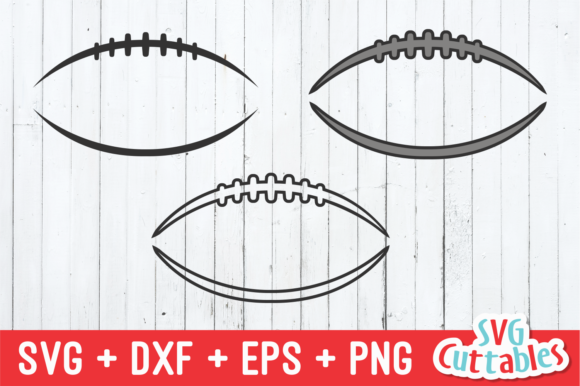
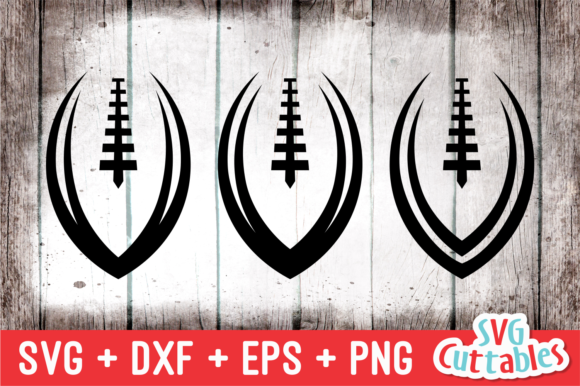
The moment you unzip the folder—SVG, DXF, PNG, EPS all neatly organized—you’re met with three distinct football silhouettes: one classic rounded shape, one slightly elongated with subtle panel lines, and one simplified, almost cartoonish version. There’s no monogramming built in (as noted), no extra flourishes or decorative borders—just honest, scalable football shapes. That simplicity is intentional, and it works. This isn’t a busy scene or a layered applique design—it’s a set of foundational graphics meant to be embroidered cleanly, scaled thoughtfully, and paired intentionally.
I immediately pictured them on a natural canvas tote bag for a local youth league fundraiser: one centered on the front, two smaller versions stitched along the side seam. The clean outlines and balanced proportions mean they’ll read well at 2.5"–4" wide—the sweet spot for tote embroidery without overwhelming the fabric.
Where Football Set of 3 Shines in Real Embroidery Projects
This set excels where clarity, scalability, and visual recognition matter most. On sweatshirt embroidery? Yes—especially the medium-sized football, which holds up beautifully with a satin stitch outline and light fill stitch interior. On baby embroidery? Absolutely. The simplified version reads instantly on a onesie chest or bib, even at just 1.75", and avoids dense stitching that could irritate delicate skin.
For Etsy sellers and small shop owners, Football Set of 3 is a quiet workhorse. It pairs effortlessly with neutral thread colors (navy, charcoal, olive, cream) and adapts across product types: embroidered patches for team gear, pillow covers for a sports-themed nursery, tea towels for game-day kitchens, or even subtle cap embroidery—provided you choose the flatter, less-detailed football for curved surfaces.
It also plays well in commercial embroidery settings. Because the shapes are open and uncluttered, stitch density stays moderate—no risky under-stitching or thread nesting in tight corners. That means fewer stops for thread breaks, cleaner trims, and faster turnaround on custom apparel orders.
Where to Pause—and Test First
Don’t assume Football Set of 3 is plug-and-play on every surface. Its clean lines become liabilities on highly textured fabrics like bouclé or thick terry cloth—details can blur or disappear. On stretchy fabric (think performance tees or ribbed knits), stabilize aggressively: cutaway + topping is non-negotiable, especially for the football with panel lines, where fine running stitch details might distort.
Dark fabric demands attention too. That subtle contour line in the elongated football? It vanishes on black unless you use a contrasting thread (white, silver, or neon yellow) and confirm your fill stitch density doesn’t mute the outline. Always test on scrap first—and do it in both black and white mockups. What reads as bold on screen may soften dramatically after stitching.
And while these are digital cut files—not machine embroidery designs out of the box—they convert cleanly to embroidery formats. Just remember: converting SVG to .PES or .JEF requires careful node cleanup and stitch mapping. If you’re new to digitizing, start with the simplest football and build up.
Design Integrity Meets Customer Trust
Here’s what matters to buyers: consistency, professionalism, and handmade authenticity. Football Set of 3 supports all three—if used intentionally. A single, centered football on a linen apron feels deliberate and elevated; three scattered across a baby blanket? Less so, unless spaced with precision and scale hierarchy. Customers notice when placement feels considered—not random.
That visual trust extends to your brand. If you sell personalized gifts or boutique merchandise, using clean, well-proportioned graphics like these signals attention to detail—even before the first stitch hits fabric. It tells customers you understand how embroidery behaves, not just how it looks on screen.
Practical Notes Every Embroidery Designer Should Keep Handy
- Always test on scrap fabric first—especially with your exact stabilizer, thread, and hoop size.
- Review stitch density before scaling up: denser fills may pucker lightweight cottons.
- Confirm hoop size compatibility: the largest football likely fits comfortably in a 5x7 hoop, but double-check before hooping expensive fabric.
- Inspect small details at actual stitch size—those panel lines shrink fast.
- Use proper stabilizer: tear-away for stable wovens, cutaway for knits, and always a topping for nap or texture.
- Check licensing: since this is a Graphics product sold as a Crafts asset, verify whether commercial use of finished embroidered items is permitted before listing on Etsy or fulfilling wholesale orders.
- Compare light and dark backgrounds in printable mockups—this helps anticipate contrast issues before stitching.
Final Thought: A Smart, Scalable Asset—Not a Standalone Solution
Football Set of 3 isn’t a full embroidery project kit. It’s a thoughtful, adaptable foundation—one that earns its place in your design assets folder because it respects the limits and opportunities of real-world embroidery. It won’t carry your entire holiday collection, but it will anchor a dozen strong, sale-ready products: a custom embroidered tote bag, a set of baby milestone blankets, a batch of league-branded patches, or a cohesive line of sweatshirt embroidery for a local school.
For craft business owners and creative entrepreneurs, that kind of versatility—paired with visual clarity and stitching reliability—is rare. Use it with intention, test with care, and let those three simple footballs do what they do best: communicate joy, energy, and authenticity—stitch by confident stitch.