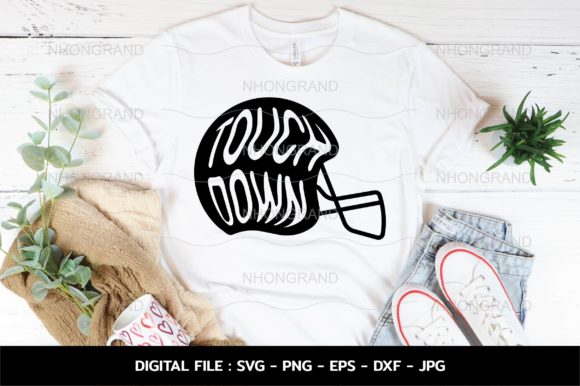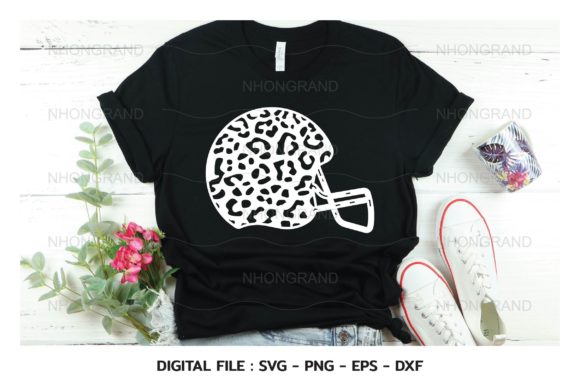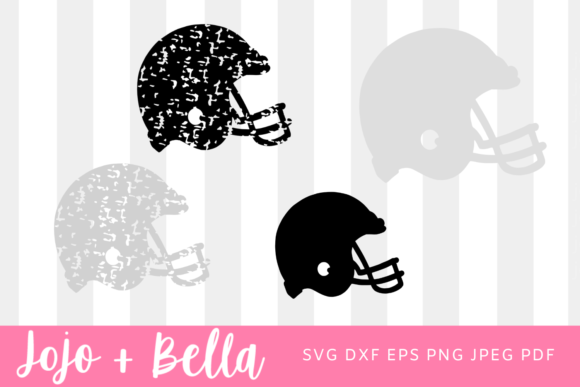
Football Helmet SVG, PNG, DXF, EPS
A Designer’s First Look: Bold, Clean, and Ready for the Gridiron
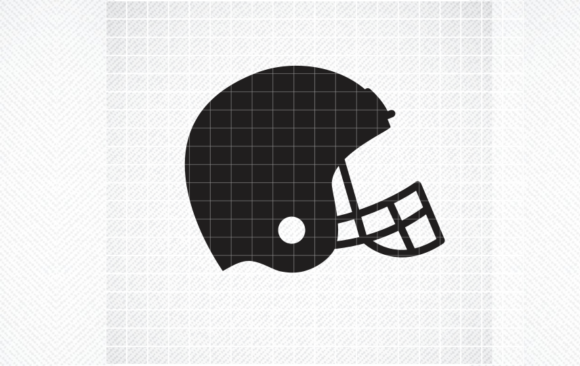
When I opened FOOTBALL HELMET SVG, Png, Dxf, Eps, my first thought wasn’t “Oh, another sports graphic”—it was “This has presence.” The silhouette is confident but not aggressive; it reads instantly as football without leaning into cartoonish exaggeration or overly complex detailing. As a designer who regularly sources digital embroidery files for client work—think custom sweatshirt lines for youth leagues, boutique baby onesies, and embroidered tote bags for school spirit shops—I appreciate how this design balances recognizability with stitch-friendly simplicity. It feels like a solid foundation, not a decorative afterthought.
Where This Design Earns Its Keep: Real Projects, Real Fabric
I tested FOOTBALL HELMET SVG, Png, Dxf, Eps on three real-world items: a midweight cotton twill tote bag (for a local high school booster club), a 100% cotton crewneck sweatshirt (personalized gift for a coach’s son), and a lightweight linen-blend kitchen towel (for a small shop’s holiday collection). On all three, the shape held up beautifully in embroidery—especially because the outline is clean and the internal details (visor, facemask bars, subtle contouring) translate well to satin and fill stitch without overcrowding.
This isn’t a design that begs for appliqué or heavy embellishment. It works cleanly as a standalone machine embroidery design—ideal for sweatshirt embroidery where clarity matters more than flash, or as an embroidered patch sewn onto a backpack or cap. For Etsy sellers offering personalized baby embroidery, it’s a smart alternative to generic team logos: neutral enough for unisex gifting, thematic enough to delight parents of young athletes. And because it’s offered across multiple formats—including SVG and DXF—it’s easy to resize and adapt for both print-on-demand mockups and digitized embroidery files.
What to Watch For: Texture, Scale, and Fabric Behavior
Like any strong graphic, FOOTBALL HELMET SVG, Png, Dxf, Eps shines brightest when matched thoughtfully to its context. On textured fabrics—like terry cloth towels or looped fleece—it can lose some crispness in the finer facemask lines unless you adjust stitch density and stabilizer accordingly. I recommend using medium-weight cutaway stabilizer for stretchy knits (e.g., performance tees) and tear-away for stable wovens like denim or canvas.
Small hoop sizes (under 4” diameter) will require careful cropping—especially if you’re placing it on a curved surface like a cap front. The helmet’s width-to-height ratio means it fits comfortably in a 4x4 hoop at standard size, but shrinking it below ~2.5” starts to blur the visual hierarchy between faceplate and shell. Also, avoid dense black thread on dark fabric unless you’re adding a white underlay—otherwise, the contours disappear. Test the design on scrap fabric first, especially if you're planning commercial embroidery runs or listing finished products on your craft business site.
How It Shapes Perception—and Why That Matters
In handmade product development, every design choice quietly communicates value. A clean, well-proportioned helmet like this one signals professionalism—not just to customers browsing your Etsy shop or boutique, but to the people receiving your personalized gifts. Parents ordering a baby embroidery set for their toddler’s first football camp don’t want cluttered clip art; they want something that looks intentional, crafted, and respectful of the sport’s tradition. This design delivers that tone without needing extra flourishes.
It also supports brand consistency. Whether you’re building a line of sports-themed kitchen textiles or launching a seasonal collection of embroidered apparel for fall, FOOTBALL HELMET SVG, Png, Dxf, Eps holds its own alongside other quality graphics. It doesn’t compete visually—it complements. That makes it a reliable piece of your design assets library, not a one-off novelty.
Practical Notes Every Embroidery Designer Should Keep Handy
- Always test before stitching live fabric—especially when switching between light and dark backgrounds. What reads clearly in a black-and-white printable mockup may need contrast tweaks in thread color selection.
- Review stitch density before finalizing. Overly dense fills can cause puckering on lightweight cotton or baby jersey. Lighten fill areas slightly if needed.
- Confirm hoop size compatibility with your machine. While the SVG file allows scaling, overscaling may introduce jagged edges—so check smoothness at your target dimensions.
- Inspect small details closely: the spacing between facemask bars, the curve of the chin strap, and the balance of negative space around the helmet shape all affect legibility at smaller scales.
- Verify licensing terms before selling finished products or bundling this as part of a digital embroidery file pack. Since this is labeled DIGITAL FILES ONLY, confirm whether commercial use is permitted for your intended application.
- Use proper stabilizer—not optional. Even simple shapes like this benefit from consistent backing, especially on knit or loosely woven fabrics common in custom apparel and baby embroidery.
Final Thought: A Workhorse Graphic, Not Just a Gimmick
FOOTBALL HELMET SVG, Png, Dxf, Eps isn’t flashy—but it doesn’t need to be. In the world of Crafts and Graphics, reliability matters more than novelty. It’s the kind of design that disappears into the background of a well-made product while still making people pause and say, “Hey—that’s sharp.” Whether you’re an Etsy seller prepping for back-to-school season, a small shop owner curating holiday embroidery, or a creative entrepreneur building a cohesive line of sports-themed design assets, this helmet earns its place in your workflow. It’s ready for real fabric, real machines, and real customers—no overpromising required.